

Nutritional Foundations for Optimal Health: An Analysis of Dietary Basics and the Ugandan Food System
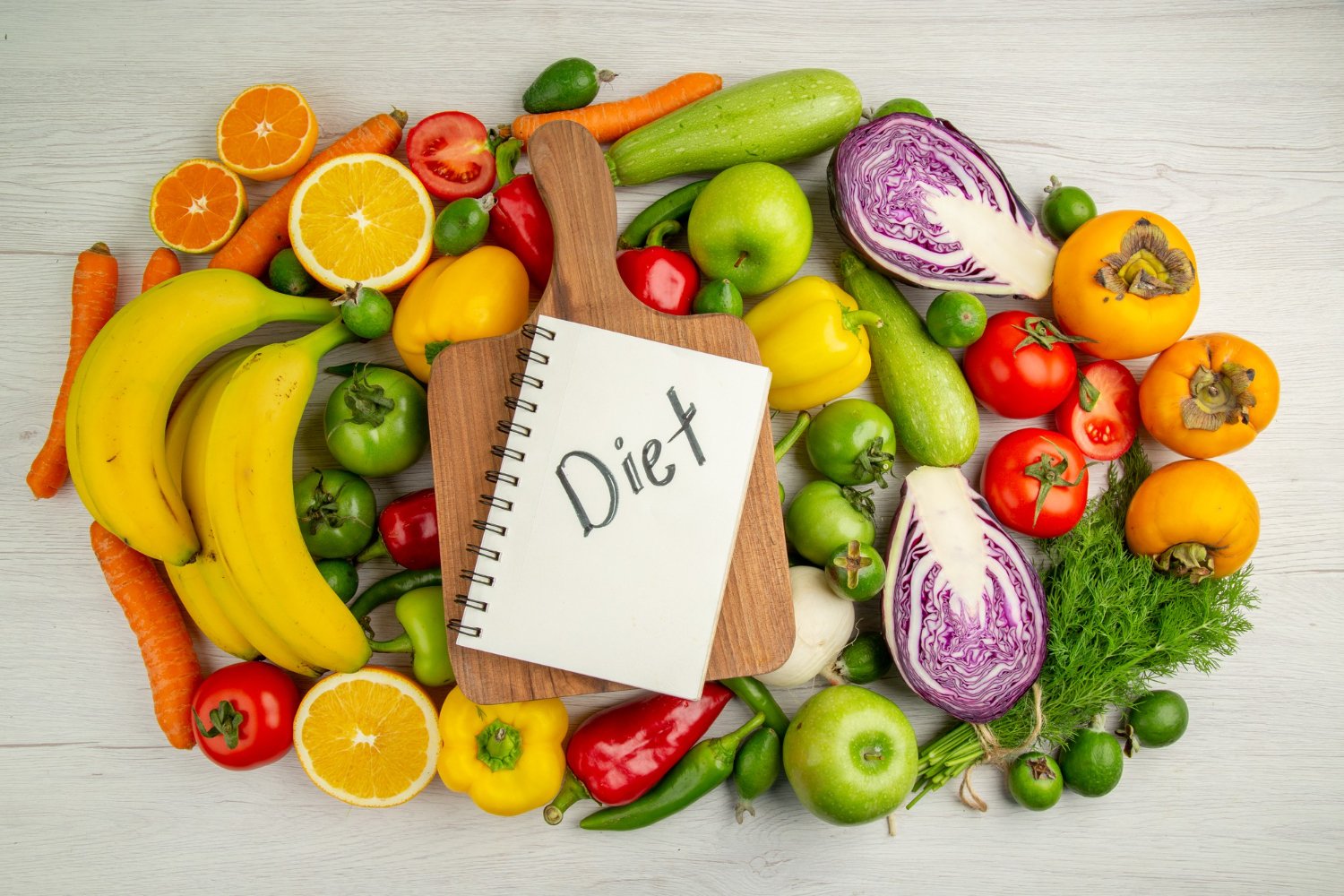
Introduction to Human Nutrition and Systemic Physiology
The pursuit of building a stronger, more resilient human body is fundamentally rooted in the science of nutrition. Human nutrition represents the complex biochemical interaction between a biological organism and the exogenous substances it consumes to sustain cellular life, facilitate structural repair, and promote long-term physiological homeostasis. In contemporary global health paradigms, the convergence of molecular biology, sports science, and clinical dietetics emphasizes the critical importance of a nutritionally adequate diet in mitigating the pathogenesis of chronic diseases, enhancing immunological function, and optimizing metabolic efficiency for physical strength.1 To build a stronger body, one must systematically provide the biological hardware—the muscles, bones, connective tissues, and neurological networks—with the precise matrix of organic and inorganic compounds required for growth and adaptation.3
Historically, global dietary guidelines have relied heavily on Western-centric food models, which often fail to translate adequately into the agricultural, economic, and socio-cultural realities of Sub-Saharan Africa. However, current epidemiological trends indicate a pressing need to contextualize nutritional science within localized food systems. In East Africa, and specifically Uganda, the population faces a well-documented dual burden of disease: combating historical challenges of undernutrition, childhood stunting, and micronutrient deficiencies, while simultaneously addressing a rapidly rising incidence of non-communicable diseases (NCDs) such as essential hypertension, type 2 diabetes mellitus, and cardiovascular disorders.4
National frameworks recognize this critical intersection. The second Uganda Nutrition Action Plan (UNAP II) and the broader East African integration of Nutrient Profile Models underscore the absolute necessity of leveraging indigenous foods to construct sustainable, health-promoting diets.4 These initiatives frame food security and adequate nutrition not merely as agricultural goals, but as paramount factors for a healthy, productive life. For instance, optimized nutrition is increasingly viewed as a form of biological immunization against both infectious pathogens and metabolic degradation.4
This comprehensive analysis systematically evaluates the foundational principles of human nutrition, detailing the specific biochemical roles of essential macronutrients, micronutrients, and hydration in the pursuit of physical strength and health. Furthermore, it extensively contextualizes these universal scientific principles by examining the nutritional profiles, functional benefits, and culinary processing methods of Ugandan staple foods, indigenous botanical greens, and traditional functional beverages. By synthesizing rigorous nutritional biochemistry with regional agronomic resources, this report constructs an evidence-based framework for optimal dietary practices tailored to the East African context.
The Biochemical Architecture of a Stronger Body: Macronutrients
Macronutrients constitute the fundamental structural and energetic components of the human diet. They are required in large, quantifiable volumes (typically measured in grams) to sustain basal metabolic rates, facilitate high-intensity physical exertion, and support the continuous cycle of cellular regeneration.1 The human body operates akin to a complex architectural structure; if the body were a building, macronutrients would serve as the foundational concrete, steel, and electrical supply.1 The three primary classes of macronutrients—carbohydrates, proteins, and lipids—interact through highly complex metabolic pathways to maintain physiological equilibrium and drive physical hypertrophy.1
Carbohydrates: The Primary Metabolic Substrate
Carbohydrates represent the human body’s preferred, most rapidly accessible, and most efficient source of bioenergetic fuel. Found in a wide variety of botanical foods, carbohydrates are essential for fueling the central nervous system and providing the rapid adenosine triphosphate (ATP) turnover required by skeletal muscles during physical exertion.1 Upon ingestion, dietary carbohydrates are enzymatically hydrolyzed in the gastrointestinal tract into monosaccharides, predominantly glucose, which subsequently enters the systemic circulation to power cellular respiration.7
The structural complexity of the consumed carbohydrates dictates their physiological impact, a concept critical for those attempting to build physical endurance and maintain metabolic health. Simple carbohydrates, which lack structural complexity, undergo rapid gastric emptying and intestinal absorption. This leads to acute, rapid fluctuations in blood glucose levels and subsequent spikes in pancreatic insulin secretion. While occasionally useful for immediate intra-workout energy replenishment, chronic overconsumption of simple sugars drives lipogenesis and metabolic dysfunction.7
Conversely, complex carbohydrates—abundant in whole grains, tubers, and legumes—possess intricate polymorphic starch structures that require prolonged enzymatic degradation. This slow, methodical digestion process ensures a sustained, titrated release of glucose into the bloodstream, mitigating hyperinsulinemia and providing enduring energy for prolonged physical and cognitive tasks.7 Furthermore, non-digestible complex carbohydrates, classified as dietary fiber, play a critical role in gastrointestinal mechanics. Fiber aids in digestion by increasing fecal bulk, modulating the colonic microbiome, and actively reducing the intestinal absorption of dietary cholesterol, thereby supporting cardiovascular health—a prerequisite for sustaining intense physical training regimens.7
Proteins: Structural Matrices and Enzymatic Catalysts
If carbohydrates are the fuel, proteins are the structural machinery. Proteins are complex, nitrogen-bearing biopolymers composed of distinct amino acids linked by peptide bonds. They are the essential building blocks for all somatic tissues in the human body, playing absolutely indispensable roles in muscle hypertrophy, cellular repair, hormone synthesis, and the production of enzymatic catalysts.1
The pursuit of building a stronger body relies entirely on the principle of progressive overload and subsequent recovery. Physical exertion, particularly resistance training, induces microscopic tears in skeletal muscle fibers. To repair these tissues and facilitate the addition of new myofibrils (the process of hypertrophy), the human body requires a continuous exogenous supply of dietary protein to offset endogenous protein catabolism.1 This dietary requirement is exceptionally high during periods of active physiological growth, such as childhood, adolescence, pregnancy, and periods of intense athletic conditioning.3
The nutritional and anabolic quality of a protein source is determined by its specific amino acid profile and its gastrointestinal bioavailability. Complete proteins, which contain all nine essential amino acids in adequate proportions, are critical for optimal physiological function.7 In addition to their highly visible structural roles—such as the formation of actin and myosin contractile filaments in skeletal muscle—proteins are precursors for the synthesis of vital internal compounds. These include immunoglobulins, which are necessary for maintaining immunological competence, and transport proteins like hemoglobin, which facilitate the distribution of oxygen to working muscles during exercise.1 Relying on diverse sources, including lean meats, aquatic species, dairy, beans, and seeds, ensures a comprehensive amino acid pool for systemic repair.7
Lipids: Cellular Integrity and Endocrine Regulation
Historically marginalized and frequently misunderstood in popular dietary discourse, lipids (dietary fats) are fundamental to human survival and athletic performance. Dietary fats are the most energy-dense of the macronutrients, yielding approximately nine kilocalories per gram, and serve as the body's primary secondary energy reservoir, specifically utilized during longer-duration, moderate-intensity cardiovascular efforts.1
Beyond energy storage and utilization, lipids are integral structural components of all cellular architecture. Every cell in the human body is encapsulated by a phospholipid bilayer, which regulates the intracellular environment, dictates membrane fluidity, and facilitates vital signal transduction.1 Furthermore, lipids are physiologically indispensable for the intestinal absorption and systemic transport of fat-soluble vitamins (Vitamins A, D, E, and K).1
For individuals focused on building physical strength, lipids play a non-negotiable role in the endocrine system. Cholesterol and dietary fats serve as the essential biochemical precursors for the biosynthesis of critical steroid hormones, including testosterone, estrogen, and cortisol. Optimal testosterone levels are a primary driver of muscle protein synthesis and neurological drive.1 The physiological impact of dietary lipids, however, is highly contingent upon their specific molecular structure. Saturated fatty acids, when consumed in chronic excess without adequate physical expenditure, are heavily implicated in atherogenesis and cardiovascular disease. In contrast, mono-unsaturated and polyunsaturated fatty acids (PUFAs)—such as the Omega-3 and Omega-6 derivatives found abundantly in specific botanical oils, avocados, nuts, seeds, and aquatic species—exhibit potent systemic anti-inflammatory properties, enhance cardiovascular hemodynamics, and support central nervous system function.6
Metabolic Catalysts: Micronutrients and Hydration
While the macronutrients provide the structural foundation and energetic fuel, micronutrients—comprising an array of vitamins and trace minerals—act as the biological spark plugs. Required only in minute, trace amounts, these compounds are nonetheless biologically indispensable.1 They do not yield caloric energy independently, but they function as vital coenzymes, necessary cofactors, and crucial structural elements in virtually all human biochemical reactions, ranging from the synthesis of ATP within the mitochondria to the replication of DNA within the cellular nucleus.1
The Role of Essential Minerals
Minerals are elemental, inorganic substances extracted from the earth's soil and water by botanical organisms, which are subsequently integrated into the human food chain through consumption. Their systemic roles within the human body are extraordinarily diverse and fundamental to maintaining physical strength:
Calcium is perhaps the most structurally prominent mineral, responsible for primary osteogenesis and the lifelong maintenance of skeletal and dental density. Beyond building strong bones, calcium acts as a critical intracellular signaling ion; it is the physiological trigger required for every single skeletal muscle contraction, the release of neurotransmitters in the brain, and the initiation of the blood coagulation cascade.1 Iron acts as a transition metal that serves as the central coordinating ion in the heme group of hemoglobin and myoglobin. It enables the transport of oxygen from the lungs to systemic tissues and facilitates cellular respiration; without adequate iron, physical endurance collapses due to systemic anemia.1
Potassium functions as a primary intracellular electrolyte that stringently regulates cellular osmotic pressure, systemic acid-base balance, and neuromuscular excitability. High dietary potassium intake promotes arterial vasodilation, thereby lowering systemic arterial blood pressure and significantly reducing the risk of cerebrovascular events and kidney stones.1 Magnesium is a required catalytic cofactor for over three hundred distinct enzymatic reactions within the human body, specifically including those involved in the generation of new proteins, the conversion of ingested food into usable ATP energy, and the regulation of glycemic control.1 Zinc and Copper provide critical structural and metabolic support; zinc plays a foundational structural role in transcription factors (zinc fingers) and supports profound immunological competence, while copper facilitates iron metabolism, protects the nervous system, and maintains the structural integrity of connective tissues and brain development.1 Other trace elements, such as Chromium, assist the body in processing carbohydrates and fats, while Iodine promotes thyroid health, which governs the entire basal metabolic rate.1
The Role of Essential Vitamins
Vitamins are complex organic compounds required for optimal metabolic function and disease prevention. There are thirteen recognized essential vitamins, each playing a highly specialized role in overall health, broadly classified by their biochemical solubility profiles.1
Water-soluble vitamins cannot be stored in large quantities by the body and require continuous dietary replenishment. The B-complex vitamins (including Thiamin, Riboflavin, Niacin, Pyridoxine, and Folate) act predominantly as vital coenzymes in energy metabolism pathways, helping to extract energy from macronutrients, and are crucial for erythropoiesis (the production of red blood cells).6 Vitamin C (Ascorbic Acid) is a potent, aqueous-phase antioxidant required for the hydroxylation of proline and lysine amino acids during the biosynthesis of collagen. Because collagen is the primary structural protein in tendons, ligaments, and skin, Vitamin C plays an absolutely critical role in tissue repair, injury prevention, and the enhancement of the immune system.17
Fat-soluble vitamins are stored in the body's hepatic and adipose tissues. Vitamin A is vital for phototransduction in the retina and for cellular differentiation and immune function.15 Vitamin E (Tocopherol) functions as a sophisticated membrane-bound antioxidant, selectively protecting vulnerable polyunsaturated fatty acids within cellular membranes from destructive lipid peroxidation.15 Vitamin K acts as a necessary cofactor in the hepatic synthesis of coagulation proteins and is associated with reduced vascular calcification and cardiovascular disease.16 Vitamin D (often synthesized via solar exposure but also acquired dietarily) works synergistically with calcium to maintain bone homeostasis.
Hydration: The Biological Solvent
Water fundamentally rounds out the list of essential nutrients. Constituting at least half of the total adult human body mass, water acts as the universal biological solvent, facilitating all intracellular and extracellular biochemical reactions.1 Proper hydration must be a major priority for anyone attempting to build a stronger body.6
Optimal hydration is absolutely essential for the systemic transport of hydrophilic nutrients and oxygen to active muscle cells, the rapid elimination of metabolic waste products (such as urea and lactic acid), the maintenance of cardiovascular stroke volume, and vital thermoregulation via diaphoresis (sweating).1 In physically demanding environments, or during periods of elevated physiological stress and exercise, the rapid replenishment of water and its accompanying electrolytes prevents acute systemic fatigue, maintains fluid balance, and prevents severe cognitive and physical decline.7
Ugandan Carbohydrate Staples: Energy Dynamics and Glycemic Control
The theoretical translation of these universal nutritional sciences into practical dietary guidelines necessitates a highly granular understanding of regional food sources. In Uganda, the dietary landscape is deeply characterized by a diverse array of starchy staples. The intelligent integration of these complex carbohydrates can significantly optimize health outcomes and provide the sustained energy required for physical development, provided they are utilized according to empirical nutritional principles.4
Matooke: The Green Plantain Matrix
Matooke (green plantains belonging to specific Musa cultivars) functions as the predominant, culturally revered carbohydrate staple across much of Central and Western Uganda.8 From a biochemical and macronutrient perspective, a serving of freshly prepared matooke consists of approximately 75% water, with the remaining solid fraction composed almost entirely of complex carbohydrates and fibrous starches, yielding between 80 to 90 kilocalories per 100 grams of cooked weight.8
Because matooke is intentionally harvested and prepared in its unripe, green state, the carbohydrate matrix possesses a highly elevated concentration of resistant starch and is fundamentally devoid of simple, fast-acting sugars.13 This renders matooke an exceptionally healthy dietary component, particularly for individuals actively managing diabetes, insulin resistance, or metabolic syndrome, as it provides sustained energy without extreme glycemic excursions.13 Furthermore, the crop is naturally completely gluten-free and virtually fat-free (containing less than 0.5 grams of fat per 100 grams), offering a highly hypoallergenic substrate that aggressively mitigates the risk of diet-induced cardiovascular inflammation and celiac-related distress.13
One of the most clinically significant and performance-enhancing attributes of matooke is its profound potassium density. A standard dietary serving contains massive potassium concentrations—ranging from 400 to 500 milligrams per 100 grams—which is functionally equivalent to or exceeding the potassium levels found in two-and-a-half glasses of dairy milk or standard yellow bananas.8 This high potassium-to-sodium ratio directly facilitates renal sodium excretion and induces smooth muscle vasorelaxation within the arterial walls, providing a highly significant, natural dietary intervention for the regulation of clinical high blood pressure and the prevention of strokes.8
Additionally, due to its soft texture when mashed and its dense micronutrient profile, matooke serves as a superior, baby-friendly base for weaning infants.13 The plantain also contains approximately 8% total fiber, making it highly amenable to the production of instant matooke flours, which serve as an excellent, gluten-free alternative to wheat in the preparation of soups and porridges.13 However, as a purely carbohydrate-driven staple, matooke provides negligible quantities of dietary protein (approximately 1.2 grams per 100 grams cooked weight). Therefore, strict nutritional sufficiency dictates that to build a stronger body, matooke must always be co-ingested with robust, external protein and lipid sources.8
|
Nutritional Metric (per 100g Cooked Matooke) |
Value / Concentration |
|
Energy |
80–90 kcal |
|
Carbohydrates |
20.0 g |
|
Dietary Fiber |
2.3 g |
|
Protein |
1.2 g |
|
Fat |
|
|
Vitamin C |
8–10 mg |
|
Potassium |
400–500 mg |
 g
gData aggregated from dietary analyses of East African staples.8
Glycemic Dynamics of Millet, Cassava, Posho, and Katogo
The successful management of blood glucose variability—a cornerstone of maintaining high energy levels and preventing fat accumulation—relies heavily on the selection, refinement, and culinary processing of carbohydrate staples. Clinical and nutritional evaluations of common Ugandan staples highlight distinct, highly actionable variations in their Glycemic Index (GI) and corresponding metabolic impacts.21
Pure, unrefined millet, frequently consumed across the country in the form of porridge or dense breads, exhibits a highly favorable metabolic profile. It is rich in complex carbohydrates and fundamentally gentle on blood sugar, inducing minimal postprandial glycemic spikes. For this reason, pure millet is heavily recommended as a safe and sustaining energy option for individuals with diabetes or those engaging in prolonged physical exertion.24
Cassava, when consumed in its whole, boiled tuber form, is similarly recognized as a metabolically safe carbohydrate source.24 However, significant nutritional danger arises during intense agricultural processing. Highly refined derivatives—such as heavy cassava flour and highly refined maize meal (commonly known as Posho)—undergo extensive mechanical processing that strips away the protective, fibrous endosperm of the plant. The consumption of highly refined Posho results in exceptionally rapid glucose assimilation. This presents a severe challenge for blood sugar regulation and insulin management unless the meal is strictly moderated by the inclusion of heavy, fiber-rich vegetable sauces.24
This dynamic is explicitly visible in the preparation of Katogo, a traditional Ugandan breakfast dish combining a carbohydrate base (often matooke or cassava) with a protein or vegetable sauce. Nutritional studies specify that the intrinsic carbohydrate of the matooke is not the primary physiological threat; rather, it is the introduction of extensive, high-temperature frying and the pooling of heavy cooking oils into the Katogo matrix that induces detrimental glycemic responses, delayed gastric emptying, and negative cardiovascular impacts.24 To consume Katogo healthily, boiling and steaming must take precedence over frying.
High-Yield Proteins and Lipids in the Ugandan Diet
To synthesize new muscle tissue, repair cellular damage, and maintain robust endocrine function, the body requires concentrated sources of complete proteins and healthy lipids. The fisheries of the Lake Victoria Basin and the rich botanical seed crops of the region provide several economically viable and biologically spectacular superfoods that fulfill these exact requirements.11
Mukene (Silver Cyprinid): Aquatic Nutrient Density
Among the economically significant fish species in East Africa—which include Nile Tilapia, Nile Perch, African Catfish, and Lungfish—the Silver Cyprinid (Rastrineobola argentea), locally referred to as Mukene or silverfish, stands out as an exceptionally potent, nutrient-dense superfood.11
Mukene is a small, sardine-like fish that is predominantly harvested, sun-dried, and consumed whole. This whole-body consumption is the key to its nutritional supremacy; eating the fish entirely allows for the simultaneous ingestion of its skeletal, muscular, and organ tissues, resulting in an extraordinary macronutrient and micronutrient yield.26 A 100-gram fraction of dry Mukene provides an immense energy density of between 406 to 606 kilocalories. More importantly for muscle building, it delivers an astounding 54.9 to 79.4 grams of highly bioavailable protein.26 This protein fraction contains a comprehensive, unbroken profile of twenty amino acids, providing all the essential building blocks necessary to repair micro-trauma in muscle tissue, reduce systemic inflammation, and boost overall immunity.29
The lipid profile of Mukene is equally remarkable, containing between 11.1 and 22.38 grams of total fat, with a substantial percentage consisting of Omega-3 and Omega-6 polyunsaturated fatty acids (PUFAs).11 These specific fatty acids are critical nutritional interventions for moderating systemic inflammation, enhancing central blood flow, improving mental health, and treating chronic physiological ailments.29
Furthermore, because the skeletal structure is consumed, Mukene acts as a massive inorganic mineral reservoir. It supplies immense concentrations of calcium (1.27 to 4.87 grams), phosphorus (0.83 to 2.83 grams), up to 45.5 milligrams of iron, and approximately 10.7 milligrams of zinc per serving.26 This makes Mukene an ideal dietary choice for fortifying snack bars, supplementing the diets of pregnant women, and ensuring the skeletal development of young children and babies.26
A critical biochemical factor determining the true biological value of these trace minerals is the presence (or lack thereof) of anti-nutritional compounds, such as phytates, which often bind to minerals and prevent their absorption. Comprehensive analyses of Mukene formulations indicate highly favorable molar ratios, specifically phytate-to-iron ratios of less than 0.1 and phytate-to-zinc ratios of less than 0.3.30 Because these ratios remain significantly below the threshold where phytates successfully inhibit enzymatic absorption, the elemental iron and zinc derived from Mukene are highly, rapidly bioavailable in the human gastrointestinal tract.30 To preserve these volatile, high-quality nutrient profiles, proper packaging—such as avoiding open gunny bags in favor of sealed environments—is necessary to prevent degradation from ambient moisture and temperature.31
|
Fish Species (Lake Victoria Basin) |
Moisture (%) |
Protein (%) |
Lipid (%) |
Omega-3 PUFAs (%) |
|
Nile Tilapia (O. niloticus) |
69.36 - 80.03 |
16.40 - 23.47 |
0.08 - 3.77 |
18.9 - 33.0 |
|
Nile Perch (L. niloticus) |
67.30 - 79.60 |
15.93 - 22.51 |
0.59 - 4.16 |
12.47 - 33.0 |
|
Silver Cyprinid (Mukene) |
N/A (Dried) |
15.44 - 79.44 |
0.09 - 22.38 |
21.68 - 35.78 |
|
African Catfish (C. gariepinus) |
69.16 - 73.54 |
19.93 - 23.06 |
Variable |
27.9 - 36.9 |
|
Lungfish (P. aethiopicus) |
Variable |
Variable |
Variable |
13.0 - 27.9 |
Comparative nutritional parameters of commercially significant aquatic species in East Africa.11
Simsim (Sesame Seeds) and Groundnuts: Phytochemical Reservoirs
In addition to aquatic proteins, the Ugandan diet is heavily fortified by the integration of botanical seeds and legumes. Simsim (Sesame seeds, Sesamum indicum L.), cultivated extensively across Uganda and neighboring Sudan, serves as a premier, ancient botanical source of functional lipids, proteins, and crucial trace minerals.27
Simsim is exceptionally rich in minerals necessary for blood oxygenation and skeletal reinforcement. A standard unhulled serving provides approximately 22% of the daily value for iron and an incredible 122% of the daily value for copper.12 Because copper acts alongside iron as a potent catalyst for hematopoiesis, this combination directly facilitates the rapid synthesis of hemoglobin within erythrocytes, allowing the blood to carry more oxygen to working muscles.12 Furthermore, the robust calcium profile found in unhulled sesame contributes significantly to building bone density, providing a vital dietary prophylactic against age-related osteopenia, osteoporosis, and the joint degradation associated with Rheumatoid Arthritis.9
Beyond basic macronutrients and minerals, Simsim operates as a sophisticated phytochemical powerhouse. The seeds contain high concentrations of specialized bioactive compounds, including lignan derivatives, tocopherol isomers, and phytosterols.27 These plant compounds exert multi-systemic benefits, actively reducing total serum cholesterol concentrations, scavenging disease-causing free radicals, and demonstrating high potential efficacy in the preservation of cardiovascular health and the prevention of neurodegenerative brain dysfunction.27 The high dietary fiber content, adding crucial roughage to the intestines, also improves bowel motility and prevents constipation.9
However, the nutritional utility of Simsim is partially modulated by the intrinsic presence of anti-nutritional properties, specifically phytic acid, which binds to divalent cations and reduces systemic mineral absorption.33 Additionally, sesame can produce allergic reactions (from mild dermatitis to severe anaphylaxis) in susceptible individuals.33 Utilizing traditional culinary processing techniques, such as roasting the seeds before grinding them into a paste, can significantly mitigate the inhibitory effects of phytic acid while simultaneously enhancing the antioxidative properties of the extracted oils.27
Similarly, groundnuts (peanuts) provide an immense reserve of vitamins and minerals. Groundnuts are abundant in niacin, folate, pantothenic acid, thiamin, and Vitamin E, alongside minerals like magnesium, zinc, selenium, and phosphorus.14 Culturally, they hold significant value; for example, in the Eastern region of Busoga, groundnuts are a highly popular diet staple and are even traditionally regarded as a natural aphrodisiac and vitality medicine.14 When combined with starchy bases, groundnut and Simsim pastes ensure a complete, dense macronutrient profile.
Indigenous Flora: The Phytochemical Power of African Leafy Greens
While starchy staples provide the necessary caloric foundation, and meats or seeds provide structural proteins, true biochemical nutritional adequacy is achieved exclusively through the integration of indigenous green leafy vegetables. Often designated humbly as simply "the sauce" in traditional settings, vegetables such as Malakwang, Boo (cowpea leaves), Nakati (solanum), and Dodo (amaranth) are absolutely non-negotiable dietary components due to their immense, unparalleled micronutrient density.14
These botanical species act as robust biological defense systems against micronutrient deficiencies that plague the sub-Saharan population. Empirical laboratory analyses reveal extraordinary mineral contents across these indigenous species: calcium concentrations range dramatically between 630 to 3,395 milligrams per 100 grams of dry weight, magnesium spans 324 to 1,428 milligrams, and iron concentrations reach up to 78 milligrams.34 Furthermore, they provide a surprisingly rich source of 'true' dietary protein (13 to 33 grams per 100 grams of dry weight) while maintaining a negligible starch content (below 6 grams), classifying them as ultimate low-calorie, high-yield alternative functional foods.34
Malakwang and Boo: Antioxidant and Mineral Efficacy
Malakwang (Hibiscus species, particularly cannabinus variants) holds an exceptional, unique status in Northern Ugandan gastronomy, highly prized for its characteristic tart and mildly sour-bitter profile.20 Analytical studies differentiate between the distinct red and white phenotypes of the Malakwang leaf. The red variant demonstrates significantly superior quantities of critical micronutrients, delivering elevated concentrations of calcium (1,753.6 mg), magnesium (1,814.4 mg), iron (233.4 mg), Vitamin A (952.7 µg), and Vitamin E (22.8 µg) per 100 grams relative to the white variant.15 Conversely, the white variant contains slightly higher quantities of crude fat, flavonoids, and specific alkaloids.15
The biochemical properties of Malakwang extend far beyond basic daily nutrition. It exhibits potent, measurable antioxidant capacity. Laboratory tests indicate that both white and red leaf extracts are capable of scavenging between 52.7% to 61.3% of dangerous DPPH (2,2-diphenyl-1-picrylhydrazyl) radicals, an efficiency that statistically parallels the known antioxidative behavior of pure Vitamin C (62.2%).15 The plant is also incredibly rich in mucilage and coumarin contents, directly supporting indigenous cultural health claims regarding its utility in immunomodulation, the acceleration of sore and wound healing, the stimulation of appetite, and its potential galactagogue effects for improving breast milk production in nursing mothers.15
To neutralize the high natural acidity and inherent bitterness of Malakwang and Boo, local cooks traditionally employ a brilliant culinary fusion: incorporating lipid-rich peanut or sesame pastes (Odii), or occasionally adding hot water and bicarbonate of soda.24 This combination operates synergistically on a deep molecular level. The introduction of exogenous lipids from the peanut paste significantly enhances the intestinal absorption of the fat-soluble vitamins (A and E) present in the leaves, maximizing their nutritional penetrance into the bloodstream.24 Furthermore, indigenous species such as Dodo (Amaranth) and Nakati are premier sources of water-soluble Vitamin C (containing up to 37.80 mg per 100g) and Provitamin A ( -carotene), aggressively combating night blindness, supporting cellular differentiation, and enhancing leukocyte (white blood cell) efficacy.14
Traditional Preservation: Drying and Salting
While fresh consumption is optimal, the reality of agricultural seasonality necessitates preservation. Long-term preservation techniques historically utilized in Sub-Saharan Africa—such as sun drying, boiling prior to sun drying, and salting and sun drying—significantly alter the nutritional architecture of these vegetables.36
Research examining the preservation of cowpeas, okra, Malakwang, and eggplants indicates a complex nutritional trade-off. These methods inevitably cause a severe volumetric reduction in absolute micronutrient content, with preservation causing a 20% to 82% loss in total vitamins and minerals.36 However, this thermal and chemical processing simultaneously induces a profound, beneficial reduction (up to 80%) in localized anti-nutritional factors such as total polyphenols, oxalates, tannins, and phytates.36
By fundamentally degrading these inhibitory compounds, the in vitro bioavailability of the remaining iron and zinc fractions actually increases remarkably, skyrocketing by 21% to 296%.36 Despite this massive increase in bioavailability, because the absolute baseline volume of the vitamins drops so significantly during the physical preservation process, the net contribution of preserved vegetables to the household's cumulative annual Recommended Dietary Allowance (RDA) ultimately decreases by 28% to 60%.36 Therefore, dietary optimization dictates that while preserved vegetables ensure vital caloric security during seasonal scarcity, the daily consumption of fresh greens must be prioritized to meet critical micronutrient thresholds.36
The Chemistry of Culinary Processing: Maximizing Nutrient Retention
The nutritional matrix of any food is highly dynamic and profoundly altered by the application of thermal energy, mechanical force, and chemical solvents during the cooking process. Eating nutritious food is only half the equation; the way food is cooked dictates how much of that nutrition actually enters the human body.16 Selecting optimal culinary techniques is a decisive factor in either preserving the intrinsic health benefits of raw ingredients or systematically degrading them into empty calories.18
Boiling vs. Frying: The Nutritional Trade-offs
Water-based cooking methods—specifically boiling, simmering, and poaching—induce differing degrees of cellular degradation depending on the water temperature. Boiling occurs at 212°F (100°C), simmering between 185–200°F (85–93°C), and poaching at less than 180°F (82°C).16 The primary nutritional vulnerability during boiling involves water-soluble compounds. Submerging vibrantly colored vegetables like Dodo, Nakati, or carrots in boiling water leads to the rapid, aggressive leaching of Vitamin C and the B vitamins (Thiamine, Riboflavin, Niacin, Pyridoxine, Folic Acid, and Cobalamin) into the surrounding aqueous medium.16
Empirical evidence demonstrates that intense boiling can cause an absolute loss of 95% to 99% of resident Vitamin C in sensitive leafy greens, concurrent with the complete breakdown of cellular structure, softening to the point of disintegration, and a total loss of chlorophyll-induced green coloration.17 Boiling also significantly lowers the reducing power (antioxidant potential) of vegetables like Solanum and Amaranth.17 To mitigate this when boiling root vegetables like carrots or potatoes, leaving the skin intact before cutting prevents nutrients from escaping into the water.16 Conversely, boiling is highly beneficial in other contexts; for example, boiling fish is scientifically proven to preserve its delicate omega-3 fatty acid content significantly better than frying or microwaving.16 Furthermore, boiling preserves caloric simplicity by averting the introduction of exogenous fats, making it highly suitable for weight management.38
Frying, particularly deep-frying in pools of oil, subjects food substrates to intense dry heat within a lipid medium. While this rapid thermal application can occasionally limit the total duration of heat exposure—thereby sparing certain heat-labile vitamins—the practice fundamentally alters the food's thermodynamic footprint.38 The pervasive, unavoidable absorption of cooking oils substantially elevates the caloric density of the dish, contributing to rapid weight gain if not heavily moderated.37
Furthermore, subjecting certain cooking oils to high temperatures induces massive oxidative stress, creating trans-fatty acids that are biologically active in promoting endothelial dysfunction, stiffening arteries, and elevating dangerous low-density lipoprotein (LDL) cholesterol levels.37 In vitro biological assays analyzing the anti-inflammatory properties of specific green leafy vegetables indicate that frying comprehensively destroys their health benefits. Frying aggressively reduces a plant's innate capacity to inhibit protein denaturation, hemolysis, proteinase, and lipoxygenase activity, thereby totally neutralizing their functional, medicinal health benefits.39
Steaming and the Luwombo Method: Preserving the Biochemical Matrix
Steaming relies on the continuous transfer of latent heat from vaporized water to the food substrate, deliberately preventing direct physical contact with the boiling aqueous solvent. This gentle, indirect thermal dynamic represents an optimal, elite methodology for nutrient retention, considered a best practice for healthy eating globally.18
Steaming preserves the delicate structural integrity of water-soluble vitamins (like Vitamin C and Folate), retains the vibrant, visually appealing coloration and texture of the plant, and successfully maintains the natural antioxidant capacities of the ingredients.18 Unlike frying, steaming prevents the introduction of exogenous, hyper-caloric fats.37 Concurrently, steaming demonstrates an incredible ability to actually increase specific functional properties of plants. For instance, laboratory tests show that steaming significantly enhances the lipoxygenase inhibition ability (a key anti-inflammatory metric) in C. asiatica by up to 400%, and increases proteinase inhibition in C. auriculata by 100% compared to their raw state.39
Within traditional Ugandan gastronomy, the Luwombo method represents an absolute apex form of nutritional preservation via hermetic steaming.40 By meticulously encasing whole proteins (such as chopped chicken, fish, or groundnuts), alongside mushrooms, chopped onions, and vegetables, within heavily folded, flame-softened banana leaves, the preparation creates an impermeable, biological autoclave.41
During the extended steaming process over a traditional charcoal stove, the internal temperature of the leaf packet rises sufficiently to thoroughly denature complex animal proteins and ensure absolute microbial safety. Crucially, however, the hermetic, airtight seal of the tied banana leaf strictly prevents the escape of volatile aromatic flavor compounds, water-soluble micronutrients, and meat juices.16 The resulting savory fluid trapped within the Luwombo at the end of the cooking process is not merely a sauce; it is a highly concentrated, pristine nutrient broth containing every single vitamin, trace mineral, and amino acid extracted during the thermal breakdown of the ingredients. The Luwombo method perfectly aligns with modern, advanced dietetic recommendations that urge cooks to capture and consume cooking exudates to maximize nutritional efficiency.16
|
Cooking Method |
Mechanism of Action |
Primary Nutritional Impact |
Best Dietary Use Case |
|
Boiling |
Direct submersion in 100°C water. |
Severe loss (up to 99%) of water-soluble vitamins (C, B-complex). Loss of cellular structure and color. |
Preserving Omega-3s in fish; cooking whole tubers with skins intact. |
|
Frying |
High-heat lipid submersion. |
Massive caloric inflation. Generation of trans-fats. Total loss of anti-inflammatory phytochemical properties. |
Should be strictly limited. |
|
Steaming |
Indirect vapor heat. |
Maximum retention of Vitamins C, Folate. Preserves color. Increases specific anti-inflammatory inhibition metrics by up to 400%. |
Leafy greens, vegetables, delicate proteins. |
|
Luwombo |
Hermetic steaming inside banana leaves. |
Total capture of all exuded nutrients, juices, and volatile aromas within the leaf structure. |
Meats, mixed vegetable and mushroom dishes. |
Analysis of the physiological impact of thermal processing on dietary nutrients.16
Functional Beverages: Fermentation and Botanical Hemodynamics
Solid food forms the basis of the diet, but liquid nutrition, specifically in the form of traditional fermented porridges and botanical beverages, provides vital supplementary pathways for acquiring essential nutrients, establishing functional gastrointestinal health, and maintaining daily hydration.42
Bushera: Cereal Fermentation and Probiotic Integration
Bushera (or Obushera) is an iconic, traditional fermented beverage indigenous to Western Uganda, manufactured through the highly controlled fermentation of malted millet and sorghum substrates.43 The production protocol is essentially an advanced biotechnological process managed at the household level.45 It begins with the gelatinization of pure millet flour via the introduction of boiling water to create a thick, lump-free starchy paste. Following a monitored cooling phase of approximately 15 minutes, a localized starter culture—specifically entezo or amamya (fermented millet or sorghum malt)—is introduced into the matrix.25
The mixture is thoroughly stirred, tightly covered, and subsequently incubated at ambient room temperatures (27°C - 30°C) for a period ranging from 24 to 96 hours.25 During this crucial resting phase, naturally occurring Lactic Acid Bacteria (LAB) dominate the metabolic ecosystem within the pot. These bacteria utilize their metabolic pathways to derive energy from the available complex organic carbohydrates, producing lactic acid as their primary metabolic byproduct.45 This organic acid acts as an aggressive natural preservative by abruptly lowering the substrate's pH, which subsequently inhibits the proliferation of any pathogenic or putrefactive microorganisms, rendering the drink safe for consumption.46
From a physiological perspective, Bushera is profoundly beneficial for building a stronger body. The foundational millet provides a massive substrate of magnesium, potassium, phosphorus, zinc, and vitamin B3, alongside highly alkaline, gluten-free dietary fiber that stabilizes nervous system functionality.25 The fermentation process acts as a form of pre-digestion; it actively degrades complex starches and residual anti-nutrients (phytates), dramatically increasing the immediate bioavailability of the constituent trace minerals upon consumption.45
Concurrently, the rapid proliferation of LAB transforms the beverage into a potent, living probiotic delivery system.51 Regular ingestion of these viable bacterial cultures fortifies the host's intestinal microbiome, supporting digestive tract motility, reinforcing gut-barrier mucosal integrity, and strongly stimulating local immune responses.43 Furthermore, the caloric density of the enzymatically processed carbohydrates provides immediate, easily digestible energy supplementation, making it an ideal, traditional pre- or post-workout recovery beverage for physical labor or athletic exertion.43
Hibiscus Tea: Botanical Hemodynamics and Antioxidant Superiority
Hibiscus tea, derived from the aqueous infusion of the dried, deep-red calyces (the leaf-like part protecting the flower bud) of the Hibiscus sabdariffa plant, functions as a remarkably potent pharmacological and nutritional agent.42 Native to Africa but consumed globally under names like karkade, sorrel, or zobo, hibiscus has transitioned from a traditional medicinal plant to a scientifically validated health intervention.53
Empirical evaluations ranking the pure antioxidant capacities of over 280 common global beverages place hibiscus tea at the absolute apex, ranking number-one and easily beating out the heavily lauded capacities of green tea and matcha.54 The deep crimson pigmentation of the calyx is directly indicative of its extreme anthocyanin, beta-carotene, and Vitamin C concentrations.53 Within exactly one hour of consumption, the rapid diffusion of these phytonutrients across the intestinal wall into the systemic circulation causes the blood's aggregate antioxidant power to shoot up dramatically. This immediately begins neutralizing reactive oxygen species (free radicals) that otherwise damage cellular structures, accelerate biological aging, and promote oncogenesis (cancer cell growth).42 Studies indicate that hibiscus extracts actively protect against severe oxidative stress and cell damage, reducing the burden on the liver and heart.42
However, the most pronounced and rigorously tested clinical application of Hibiscus sabdariffa lies in its spectacular cardiovascular efficacy.52 Extensive clinical trials demonstrate that the regular daily consumption of strong hibiscus infusions induces statistically significant reductions in both systolic and diastolic blood pressure among prehypertensive and mildly hypertensive demographics.52 In direct, randomized physiological comparisons, the daily administration of high-concentration hibiscus tea (brewed strong using multiple tea bags) was proven to be just as effective in lowering a subject's blood pressure as a starting dose of Captopril—a leading pharmaceutical ACE-inhibitor blood pressure drug.54 Crucially, the tea achieved these dramatic vascular results without initiating the severe adverse pharmacological side effects routinely associated with synthetic antihypertensive drugs.54 On a population scale, the five-to-six point drop in systolic pressure provided by hibiscus translates to a 14% reduction in stroke deaths and a 9% reduction in fatal heart attacks.54
Additionally, the complex chemical profile of the plant has been linked to significant reductions in low-density lipoprotein (LDL) cholesterol and aids in broader weight management protocols.42 However, consumers must exercise slight caution; due to the potent natural fruit acids present in the tea, which can cause subtle demineralization or softening of dental enamel over time, and its exceptionally high manganese content, consumption should be appropriately moderated (e.g., to a quart a day) and ideally accompanied by a routine oral water rinse post-consumption to protect the teeth.54
Constructing the Balanced Plate: Synthesis, Policy, and Modern Cultural Integration
Understanding the molecular biology of individual nutritional components is insufficient without a structural, practical methodology for their daily integration into household dietary habits. The macro-level objective of all nutritional science is to consistently fulfill human cellular requirements without exceeding baseline caloric expenditure, thereby simultaneously averting the physical weakness of undernutrition and the metabolic damage of obesity.2
Policy Integration and Nutrient Profiling Models
The architectural framework for public nutrition and dietary modeling is rapidly advancing across East Africa. Historically, highly fragmented dietary advice failed to regulate the massive commercial influx of hyper-processed, nutrient-void foods. Recently, however, the adoption of rigorous Nutrient Profile Models (NPM)—spearheaded as a pioneering regional effort by the Kenya Bureau of Standards (KEBS) and parallel frameworks built into Uganda's UNAP II—has established strict, empirical mathematical thresholds for what legally and nutritionally constitutes "healthy food".4
These sophisticated models chemically classify all available foods based on their inherent nutritional density versus their concentration of 'nutrients of concern', specifically targeting intrinsic added sugars, high sodium content, and saturated fats.5 By establishing precise, unyielding cut-off limits, the NPM provides a necessary legislative backbone. This allows governments to aggressively restrict the marketing, taxation, and institutional school-feeding procurement of diabetogenic and atherogenic products that directly cause heart disease and cancer.5 In Uganda, these protective frameworks directly align with the overarching targets of the third National Development Plan (NDP III). The government formally correlates the achievement of national economic productivity and life expectancy (targeting an increase to 70 years) directly to the elimination of childhood stunting and household food insecurity, viewing optimized daily nutrition as the ultimate form of preventative medicine.4
The Applied Dietary Framework: The Plate Model
Translating these macroeconomic policies and complex biochemical realities into the microeconomics of the household kitchen relies heavily on the intuitive, visually accessible "balanced plate model".10 A physiologically optimized meal, designed specifically to build a stronger body and prevent disease, must systematically partition macro and micronutrients in proper volumetric ratios across every single meal 22:
-
Two-Thirds Volume (Protective and Energy-Sustaining): The vast majority of the physical dietary volume on the plate must be strictly dedicated to complex, fiber-rich carbohydrates, whole grains, fruits, and dense botanical greens.10 In the specific Ugandan context, this involves prioritizing low-GI, high-potassium staples such as boiled matooke, steamed sweet potatoes, or pure millet porridge.21 This solid energy base must be accompanied by an overwhelming volume of indigenous leafy greens (such as a massive serving of Nakati, Malakwang, or Dodo) to secure the absolutely required intakes of Vitamin C, Calcium, and Iron. The heavy fiber content of these greens simultaneously dampens the overall glycemic load of the meal, preventing sugar spikes.24
-
One-Third Volume (Structural Body-Building): The remaining, smaller fraction of the plate is strictly reserved for high-yield, dense structural proteins and essential healthy lipids.10 This critical quota is perfectly fulfilled by incorporating nutrient-dense aquatic sources like dried Mukene, lean poultry or fish prepared immaculately via the nutrient-trapping Luwombo method, or potent plant-based protein complexes derived from combining beans with roasted Simsim or traditional groundnut pastes.14
Furthermore, the physical method of meal synthesis is just as critical as the ingredients themselves. As deeply established by nutritional evidence, substituting heavy, deep-frying techniques with steaming, boiling, or gentle low-heat simmering preserves the fragile molecular integrity of the meal, retains the vitamins, and completely prevents the caloric inflation associated with heavy cooking oils.16
Modern Digital Culinary Integration
The modernization, preservation, and widespread dissemination of these optimal dietary models are currently being heavily supported by evolving cultural platforms and modern digital food advocacy. Digital culinary repositories and passionate food educators—such as those highlighted by prominent, award-winning Ugandan platforms like "A Kitchen in Uganda" founded by Sophia Musoki—play a vital, transformative role in the modern food ecosystem.58
These platforms actively document disappearing traditional food systems and hyper-nutritious regional meals—such as Amukeke (a sun-dried sweet potato meal) and Osobi (a highly nutritious sauce made from cowpea leaves and jute mallow/bush okra)—and successfully recalibrate them for contemporary, fast-paced households.58 By utilizing high-quality digital photography, podcasts, and accessible recipe development, these culinary experts demonstrate that indigenous African ingredients can be seamlessly manipulated to yield mouth-watering, hyper-nutritious, balanced meals without ever relying on Westernized, ultra-processed commercial additives.59 They bridge the critical gap between abstract, academic nutritional science and functional, joyful domestic application, proving that building a stronger body using local ingredients is both a scientifically sound and culturally enriching endeavor.
Conclusion
The lifelong pursuit of optimal human health, physical strength, and athletic resilience is inextricably, permanently linked to the biochemical quality of the foods ingested on a daily basis. A rigorous, comprehensive analysis of foundational nutritional principles demonstrates beyond doubt that physiological longevity requires a precise, unwavering equilibrium of complex carbohydrates for sustained energy, complete amino-acid proteins for cellular repair, functional lipids for endocrine health, and highly bioavailable micronutrients for enzymatic action.
Within the specific geographical and cultural context of Sub-Saharan Africa, and explicitly Uganda, the localized food system provides a profound, largely untapped reservoir of highly functional, exceptionally nutrient-dense ingredients that are perfectly calibrated by nature to meet these extreme human biological requirements. Indigenous starchy staples such as Matooke and pure millet offer vastly superior glycemic control and critical potassium gradients compared to refined western grains. Aquatic resources like the whole-body Mukene and botanical seeds like Simsim supply massive, readily absorbed concentrations of essential amino acids, Omega-3 polyunsaturated fatty acids, and vital hematological minerals like iron and calcium. Furthermore, indigenous African leafy greens, particularly variants of Malakwang and Dodo, act as unparalleled phytochemical powerhouses, delivering potent antioxidant and anti-inflammatory compounds that rival clinical pharmaceuticals.
However, the realization of these immense nutritional benefits is highly contingent upon the strict application of optimal culinary processing. Transitioning aggressively away from destructive, high-heat thermal techniques like heavy oil frying in favor of traditional, nutrient-preserving methodologies—such as the hermetic steaming of the Luwombo method—ensures the maximum systemic bioavailability of fragile water-soluble vitamins and active phytochemicals. By intelligently integrating these universal scientific principles with localized agrarian realities, progressive national policy frameworks, and the balanced plate model, it is entirely possible to construct highly sustainable, disease-preventative dietary models. These optimized, culturally grounded diets will secure both immediate, vibrant physiological vitality and long-term public health resilience for generations to come.
Works cited
-
What Is Nutrition & The Essential Nutrients Your Body Needs - Cleveland Clinic, accessed March 23, 2026, https://my.clevelandclinic.org/health/articles/nutrition
-
Uganda Nutrition Action Plan 2018-2025 - FAOLEX, accessed March 23, 2026, https://faolex.fao.org/docs/pdf/uga209048.pdf
-
Basic Nutrition Concepts: Macronutrients, Micronutrients, and Water, accessed March 23, 2026, https://www.isbe.net/CTEDocuments/FCS-L700031.pdf
-
uganda nutrition action plan ii | 2020/21 – 2024/25, accessed March 23, 2026, https://scalingupnutrition.org/sites/default/files/2022-06/national-nutrition-plan-uganda.pdf
-
Kenya Becomes the First Country in the East African Community to Adopt a Nutrient Profile Model, Paves the Way for Stronger Healthy Food Policies - Global Health Advocacy Incubator, accessed March 23, 2026, https://www.advocacyincubator.org/news/2025-10-08-kenya-becomes-the-first-country-in-the-east-african-community-to-adopt-a-nutrient-profile-model-paves-the-way-for-stronger-healthy-food-policies
-
Essential Nutrients - Academy of Nutrition and Dietetics, accessed March 23, 2026, https://www.eatright.org/health/essential-nutrients
-
Nutrition Basics For Better Health And Performance - CLaME, accessed March 23, 2026, https://clame.nyu.edu/virtual-library/E07GC1/312277/NutritionBasicsForBetterHealthAndPerformance.pdf
-
Nutrition- What is in matooke? - New Vision, accessed March 23, 2026, https://www.newvision.co.ug/news/1239701/nutrition-matooke
-
Simsim/Sesame - Essence of Africa, accessed March 23, 2026, https://essenceofafrica.ug/simsim-sesame.html
-
Macronutrients 101: What to know about protein, carbs and fats | UT MD Anderson, accessed March 23, 2026, https://www.mdanderson.org/cancerwise/macronutrients-101--what-to-know-about-protein--carbs-and-fats.h00-159774078.html
-
Nutritional Profile of Economically Valuable Fish Species in the Lake Victoria Basin - Sustainable Aquatic Research, accessed March 23, 2026, https://www.saquares.com/index.php/sar/article/download/83/70/1370
-
15 Health and Nutrition Benefits of Sesame Seeds - Healthline, accessed March 23, 2026, https://www.healthline.com/nutrition/sesame-seeds
-
Health Benefits of Matooke - WebMD, accessed March 23, 2026, https://www.webmd.com/diet/health-benefits-of-matooke
-
Untitled - eResources for Health, accessed March 23, 2026, https://www.eresourcesforhealth.org/wp-content/uploads/2024/06/A-Cookbook-of-Ugandas-Traditional-Foods.pdf
-
Nutritional, phytochemical composition and antioxidant activities of the red and white malakwang (hibiscus species) leaves - KYUSpace, accessed March 23, 2026, https://kyuspace.kyu.ac.ug/items/2e7cccab-1262-47a5-bc25-deb474be4568
-
How Cooking Affects the Nutrient Content of Foods - Healthline, accessed March 23, 2026, https://www.healthline.com/nutrition/cooking-nutrient-content
-
Effect of Cooking Method on Vitamin C Loses and Antioxidant Activity of Indigenous Green Leafy Vegetables Consumed in Western Uganda - PMC, accessed March 23, 2026, https://pmc.ncbi.nlm.nih.gov/articles/PMC8791706/
-
How Cooking Methods Impact the Nutritional Value of Food | OMKITCHEN Just Organic, accessed March 23, 2026, https://www.omorganickitchen.com/blog/2025/05/08/how-cooking-methods-impact-the-nutritional-value-of-food/
-
Africa's contribution to global sustainable and healthy diets: a scoping review - PMC, accessed March 23, 2026, https://pmc.ncbi.nlm.nih.gov/articles/PMC12083016/
-
NUTRITIONAL, PHYTOCHEMICAL COMPOSITION AND ANTIOXIDANT ACTIVITIES OF THE RED AND WHITE MALAKWANG (HIBISCUS SPECIES) LEAVES Ojera - Semantic Scholar, accessed March 23, 2026, https://pdfs.semanticscholar.org/f8c3/330ddf9f6be5bc3fbdc037f677f54ed8ac03.pdf
-
(PDF) Nutrition in Central Uganda - An Estimation of a Minimum Cost Healthy Diet, accessed March 23, 2026, https://www.researchgate.net/publication/254384160_Nutrition_in_Central_Uganda_-_An_Estimation_of_a_Minimum_Cost_Healthy_Diet
-
MINISTRY OF EDUCATION AND SPORTS - Unicef, accessed March 23, 2026, https://www.unicef.org/uganda/media/11336/file/Uganda%20Nutrition%20Commic%20Book_Teachers%20Guide%20final_WEB.pdf
-
Matooke: The Nutrient-Dense Staple of East Africa - Fava Herb, accessed March 23, 2026, https://favaherb.com/2025/12/25/matooke-the-nutrient-dense-staple-of-east-africa/
-
More Ugandan Staple Foods Comparison For Diabetes and Podcast ..., accessed March 23, 2026, https://www.scribd.com/document/985383824/More-Ugandan-Staple-foods-comparison-for-diabetes-and-Podcast-pages
-
Make kinyankole bushera at home - New Vision, accessed March 23, 2026, https://www.newvision.co.ug/news/1189819/kinyankole-bushera-home
-
accessed March 23, 2026, https://sryahwapublications.com/article/download/2637-5583.0801001#:~:text=Silver%20cyprinid%20is%20a%20nutrient,choice%20for%20fortifying%20snack%20bars.
-
Sesame Seeds: A Nutrient-Rich Superfood - PMC, accessed March 23, 2026, https://pmc.ncbi.nlm.nih.gov/articles/PMC11049391/
-
Silver Cyprinid Fish-Enriched Snack for Pregnant Women's Nutrient Supplementation - Sryahwa Publications, accessed March 23, 2026, https://sryahwapublications.com/article/download/2637-5583.0801001
-
Products - Mukene | Abbarci Agrobusiness Company Ltd., accessed March 23, 2026, https://www.mukene.com/products
-
Silver Cyprinid Fish-Enriched Snack for Pregnant Women's Nutrient Supplementation, accessed March 23, 2026, https://www.researchgate.net/publication/389527600_Silver_Cyprinid_Fish-Enriched_Snack_for_Pregnant_Women's_Nutrient_Supplementation
-
Effect of Packaging on the Stability of Stored Dry Silver Cyprinid (Rastrineobola argentea), accessed March 23, 2026, https://www.researchgate.net/publication/356066827_Effect_of_Packaging_on_the_Stability_of_Stored_Dry_Silver_Cyprinid_Rastrineobola_argentea
-
Sesame (Sesamum indicum L.): A Comprehensive Review of Nutritional Value, Phytochemical Composition, Health Benefits, Development of Food, and Industrial Applications - PMC, accessed March 23, 2026, https://pmc.ncbi.nlm.nih.gov/articles/PMC9573514/
-
The effecTs of sesame seed on human healTh, accessed March 23, 2026, https://pharmacy.uobasrah.edu.iq/images/project/2015_2016/Pharmacognosy/5The%20effecTs%20of%20sesame%20seed%20on.pdf
-
Nutrient and Phytochemical Composition of Nine African Leafy Vegetables: A Comparative Study - MDPI, accessed March 23, 2026, https://www.mdpi.com/2304-8158/14/8/1304
-
Lipid Lowering Potential of Malakwang (Hibiscus) Species Leaf Extract in Hyperlipidaemia-Induced Rats - SCIRP, accessed March 23, 2026, https://www.scirp.org/journal/paperinformation?paperid=82747
-
Traditional vegetable preservation technologies practiced in Acholi subregion of Uganda improves mineral bioavailability but impacts negatively on the contribution of vegetables to household needs for micronutrients - PMC, accessed March 23, 2026, https://pmc.ncbi.nlm.nih.gov/articles/PMC7866598/
-
Healthy cooking methods demystified - Baylor College of Medicine Blog Network, accessed March 23, 2026, https://blogs.bcm.edu/2025/02/18/healthy-cooking-methods-demystified/
-
Boiling vs. Frying: Weighing the Health Pros and Cons - Genier Kettles, accessed March 23, 2026, https://genier.com/en/chefs-blog/boiling-vs.-frying-weighing-the-health-pros-and-cons
-
Influence of Boiling, Steaming and Frying of Selected Leafy Vegetables on the In Vitro Anti-inflammation Associated Biological Activities - PMC, accessed March 23, 2026, https://pmc.ncbi.nlm.nih.gov/articles/PMC5874611/
-
Effect of different cooking methods on the content of vitamins and true retention in selected vegetables - PMC, accessed March 23, 2026, https://pmc.ncbi.nlm.nih.gov/articles/PMC6049644/
-
Steamed to Perfection, Luwombo is a Healthy Dish with a Touch of Home, accessed March 23, 2026, https://globalpressjournal.com/africa/uganda/steamed-perfection-luwombo-healthy-dish-touch-home/
-
8 Benefits of Hibiscus - Healthline, accessed March 23, 2026, https://www.healthline.com/nutrition/hibiscus-tea-benefits
-
Isolation, characterisation and identification of lactic acid bacteria from bushera: A Ugandan traditional fermented beverage | Request PDF - ResearchGate, accessed March 23, 2026, https://www.researchgate.net/publication/10979574_Isolation_characterisation_and_identification_of_lactic_acid_bacteria_from_bushera_A_Ugandan_traditional_fermented_beverage
-
Health benefits of drinking Obushera - YouTube, accessed March 23, 2026, https://www.youtube.com/watch?v=KOEwuKl-msI
-
African Sorghum-Based Fermented Foods: Past, Current and Future Prospects - PMC, accessed March 23, 2026, https://pmc.ncbi.nlm.nih.gov/articles/PMC7231209/
-
Fermented Cereal-based Products: Nutritional Aspects, Possible Impact on Gut Microbiota and Health Implications - MDPI, accessed March 23, 2026, https://www.mdpi.com/2304-8158/9/6/734
-
PRODUCTION METHODS AND COMPOSITION OF BUSHERA: A Ugandan Traditional Fermented Cereal Beverage, accessed March 23, 2026, https://www.ajfand.net/Volume3/No1/MuyanjaCMBK.pdf
-
HOW TO **PROPERLY** MAKE BUSHERA | Aine's Kitchen #bushera ... - YouTube, accessed March 23, 2026, https://www.youtube.com/watch?v=hgCHP7qp4YM
-
How to make The Best Ugandan Millet Porridge (Bushera) - YouTube, accessed March 23, 2026, https://www.youtube.com/watch?v=NewPDedvJ80
-
How to Prepare Bushera With Milk (Millet Flour Porridge) Ugandan Food - YouTube, accessed March 23, 2026, https://www.youtube.com/watch?v=G8TlIfGy6iE
-
Traditional fermented drinks like Uganda's obushera are introducing probiotics to emerging markets - Fi Global Insights, accessed March 23, 2026, https://insights.figlobal.com/beverages/traditional-fermented-drinks-like-uganda-s-obushera-are-introducing-probiotics-to-emerging-markets
-
Hibiscus tea: Health benefits and risks - Medical News Today, accessed March 23, 2026, https://www.medicalnewstoday.com/articles/318120
-
Hibiscus Tea: Is It Good for You? - WebMD, accessed March 23, 2026, https://www.webmd.com/diet/hibiscus-tea-is-it-good-for-you
-
Hibiscus Tea Benefits: The Latest Research | NutritionFacts.org, accessed March 23, 2026, https://nutritionfacts.org/topics/hibiscus-tea/
-
7 Benefits of Hibiscus Tea - Cleveland Clinic Health Essentials, accessed March 23, 2026, https://health.clevelandclinic.org/benefits-of-hibiscus
-
Uganda - Global Nutrition Report, accessed March 23, 2026, https://globalnutritionreport.org/resources/nutrition-profiles/africa/eastern-africa/uganda/
-
Impact of healthy food and diet information on household food security: A randomized control trial in Kampala, Uganda - Frontiers, accessed March 23, 2026, https://www.frontiersin.org/journals/sustainable-food-systems/articles/10.3389/fsufs.2022.1063331/full
-
A Kitchen In Uganda – Food Photography + Home Cooking, accessed March 23, 2026, https://akitcheninuganda.com/
-
My top 5 African bloggers and websites - People I Meet and Food They Eat, accessed March 23, 2026, https://peopleimeetandfoodtheyeat.com/2018/12/19/my-top-5-african-bloggers-and-websites/
-
Trailblazers Q&A: Sophia Musoki Shines A Spotlight On Ugandan Food - Without A Path, accessed March 23, 2026, https://www.withoutapath.com/uganda-food-sophia-musoki/
-
Blogger Spotlight: A Kitchen In Uganda - Afrobloggers, accessed March 23, 2026, https://afrobloggers.org/a-kitchen-in-uganda/
-
Meet the SAVEUR Blog Awards Finalists: 6 Blogs About Food and Culture, accessed March 23, 2026, https://www.saveur.com/blog-awards-2018-best-culture-blog-finalists/
Comments (0)
Log in to leave a comment
Login